ByteDance's AI Film Innovation: Hell Grind Premieres at Cannes
At this year's Cannes Film Festival, a noteworthy development in cinematography emerged, centered around artificial intelligence. ByteDance's cloud platform, Volcengine, introduced its Seedance 2.0 model during an AI film showcase that culminated in the premiere of Hell Grind, which is positioned as the first full-length AI-generated movie. This event symbolizes a significant moment in the intersection of technology and storytelling, reflecting broader trends in creative fields where AI is increasingly taking a front seat.
Shifting from Shorts to Features
The production was a collaborative effort with Higgsfield, a US-based AI firm, while the central video generation capability stems from Seedance 2.0, crafted by ByteDance. Unlike short AI clips or concept demos, Hell Grind stands out as a complete narrative film. This transition for generative AI—from mere experimental endeavors to substantial storytelling—signifies a pivotal evolution in how we perceive AI in the creative process. For years, AI's creative outputs have ranged from brief clips to initial drafts, but this leap into feature-length film territory underlines a more profound capability that could alter audience expectations and industry standards.

Navigating Technical Challenges
One of the key innovations here addresses a major hurdle that AI filmmaking has faced: the challenge of producing long-form videos. Most current AI tools are limited to generating clips of 15 to 30 seconds. This limitation not only restricts creative expression but also complicates the narrative flow essential for engaging storytelling. To create a full-length film, it typically requires piecing together numerous shots, often resulting in inconsistent visual quality and narrative continuity. In contrast, Seedance 2.0 appears to have successfully navigated these issues. This leap could set new standards for quality in AI-generated content.
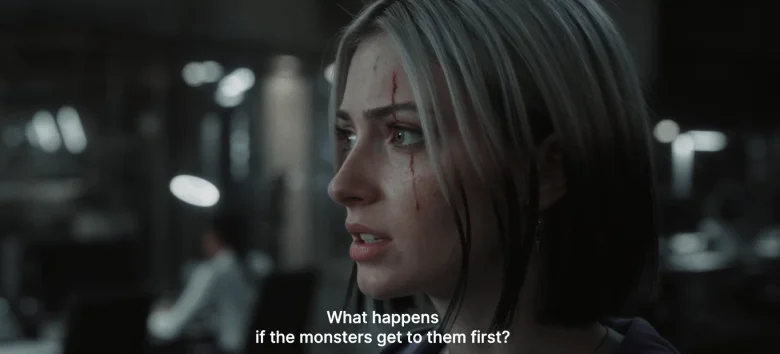
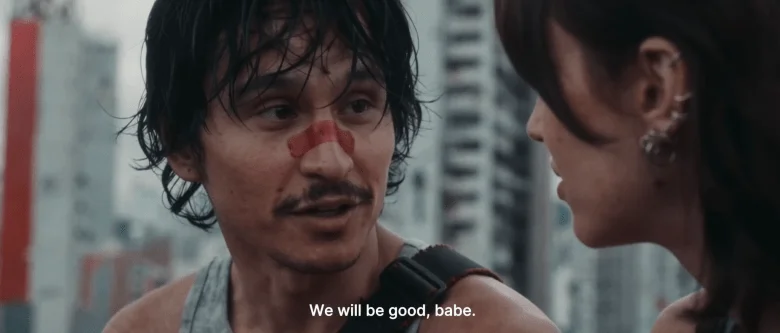
The narrative of Hell Grind follows four street kids—Roko, Jaxx, Lulu, and Rein—who discover a strange artifact in a museum, unleashing dark forces and bestowing them with superpowers. As they confront these newly emerged threats, the line between reality and illusion becomes increasingly unclear. This layered storytelling is not just a testament to the technology’s capability but also raises questions about how AI can craft plots that resonate with human audiences at a deeper emotional level.
Improved Emotional Engagement
Chuck Russell, who viewed an early cut of the film, expressed genuine empathy for the characters—something he noted is rare in AI-generated works. This observation highlights a significant improvement in emotional engagement within AI cinema, suggesting that progress has been made in how AI systems understand and replicate the nuances of human emotion. If you're working in this space, you might wonder how this newfound emotional depth will impact audience reception, particularly since traditional film relies heavily on creating a connection with viewers.
Fast and Cost-Effective Production
The production of Hell Grind was both swift and economically efficient, completed by a 15-member team in just 14 days with a budget under $500,000. That’s far less than a traditional film of similar scope, which could exceed tens of millions. This economic model not only underscores the potential of AI in filmmaking but also raises compelling questions about the future of production in the industry. How will this affect established studios? Can they compete with the agility and reduced costs of AI collaborations, or will they find a way to integrate these tools into their workflows?
Alex Mashrabov, co-founder of Higgsfield, pointed out that the technological framework for AI-driven filmmaking is advanced enough to support ambitious projects at reduced costs. If true, this could herald a shift in production dynamics, emphasizing creative direction over budget constraints or team size. What this means for you is that independent creators might find this landscape increasingly accessible, allowing for a greater diversity of voices to tell unique stories.

Questions Around Industry Structure and Authorship
However, this rapid evolution prompts serious questions about the film industry's structure. The potential for producing a feature film in a couple of weeks at minimal costs may pressure mid- and low-tier production roles. This could lead to widespread job displacement in a field where teamwork and collaboration are already crucial to the creative process. A deeper debate is unfolding around authorship: can AI-generated emotional depth convey true artistic expression, or is it merely a reflection of programmed human empathy? (and this is the part most people overlook) Furthermore, how will traditional filmmakers respond to this shift?
As generative systems advance in crafting coherent and emotionally engaging narratives, the role of human creators may evolve. They might focus more on intent and interpretation, while the technology itself redefines effective storytelling. This evolution also prompts a reexamination of what it means to be a creator in an increasingly automated world.
Implications for the Future of Filmmaking
The implications of such advances are manifold. Filmmaking could become less about resources and more about creativity, potentially leading to a surge of independent projects. But it also bears the risks associated with displacing traditional roles and diminishing the value of conventional storytelling approaches. The efficiency brought by AI might draw in new creators but could simultaneously dilute certain artistic elements that human directors uniquely bring to film.
In essence, this shift isn't just a technical triumph; it raises broader questions—about authorship, creativity, and what audiences truly seek from the films they watch. As the lines blur between human and AI contributions in creative endeavors, understanding the implications of these developments will become increasingly important for industry stakeholders and audiences alike.