Porsche Faces Sales Dip Amid Market Challenges in First Half of 2026
Porsche's Sales Performance: An Overview
Porsche's sales figures for the first half of 2026 reveal significant challenges facing the luxury automotive brand. Global deliveries dropped to around 122,300 units, marking a 16% decrease compared to the same timeframe last year. Such a decline in sales performance isn't an isolated incident; it reflects wider market dynamics affecting high-end automobile manufacturers.
The decrease is particularly noticeable in China, a focal point of the global luxury auto market. With deliveries plummeting nearly 33% in that region, Porsche's challenges mirror those faced by other luxury brands, highlighting economic headwinds, shifting consumer preferences, and heightened competition in the electric vehicle (EV) segment. In case you missed it: this is no small matter for Porsche, given China’s growing importance as a market for premium vehicles.
Regional Breakdown of Sales
Breaking it down further, North America remains Porsche's most significant market but registered a 13% decline in sales. Meanwhile, European deliveries—excluding Germany—saw a 14% dip. This uneven performance raises questions about market saturation and the impact of economic factors like inflation, interest rates, and consumer confidence across different regions.
Although Porsche is primarily known for its performance-oriented vehicles, the company’s sales strategy emphasizes value over volume. This approach helps differentiate the brand in a crowded luxury market but also exposes it to inventory and sales fluctuations driven by external conditions.
Competitors in the Luxury Automotive Space
Porsche's dip resonates with trends experienced by other luxury automotive brands. Take, for instance, Tesla and its attempts to maintain its dominant position despite a broader industry shift. Many brands are focusing on EVs, leading to a competitive influx in that category. The baseline here is that consumers are becoming increasingly selective, navigating a landscape that offers numerous compelling choices at various price points.
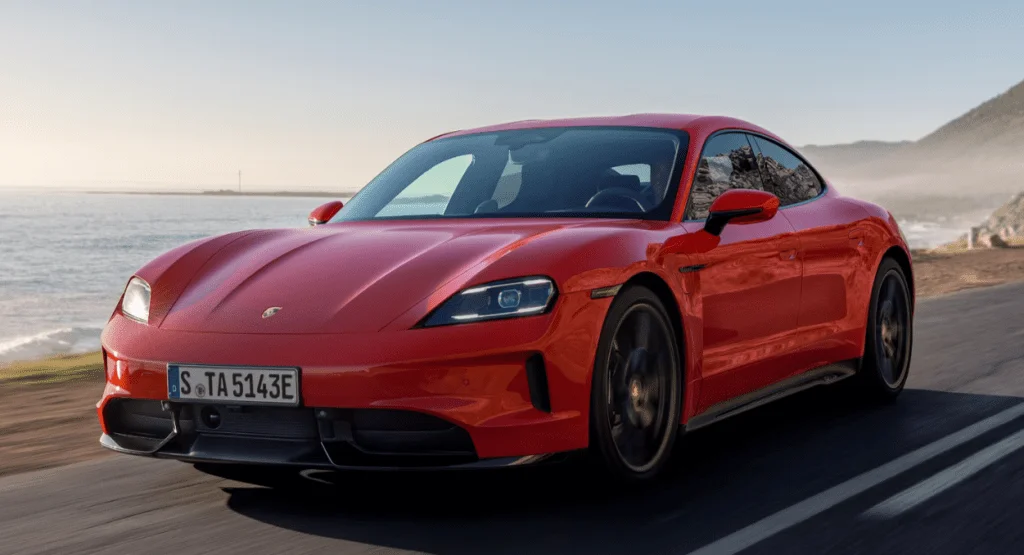
Meanwhile, traditional luxury car manufacturers are ramping up their own EV strategies. Brands like Mercedes-Benz and BMW are introducing new electric models and reimagining their lineups to appeal to eco-conscious consumers. This is important in a market that’s leaning ever more towards sustainable practices. Porsche's own electrification efforts, particularly with the Taycan and the upcoming electric iterations of their iconic models, are crucial to staying relevant.
Market Dynamics: Economic Factors at Play
The global landscape for luxury automobiles is currently influenced by a mix of economic factors. Inflation rates, fluctuating gas prices, and geopolitical tensions all contribute to consumer spending behaviors. Luxury items, including high-end vehicles, tend to be the first to see drops in demand when economic climates shift.
What’s also noteworthy is the ongoing transition towards electric vehicles. This shift isn't merely a trend but a fundamental change in consumer expectations. If you’re working in this space, understanding the implications of this shift is essential. Consumers are looking for vehicles that offer not just luxury but also sustainability and cutting-edge technology.
Porsche’s Strategic Response
Amid these challenges, Porsche continues to stress the importance of maintaining brand integrity. The emphasis on value rather than volume aims to preserve exclusivity and premium positioning. But there’s a risk here. As sales decline, can the brand sustain this strategy without losing market share? The balance between exclusivity and accessibility is delicate; a misstep could alienate core customers.
Porsche’s Board Member for Sales and Marketing, Matthias Becker, acknowledged the downturn but indicated it matched their expectations. This response highlights a level of preparedness, suggesting that Porsche anticipated these market fluctuations. However, such a stance can also appear defensive. It’s one thing to expect challenges; it’s another to adapt effectively to them.
Implications for the Future
The decline in sales figures is not just a metric; it signals a larger conversation about the future of luxury automotive brands. If these trends continue, it could lead to shifts in manufacturing strategies, marketing approaches, and product development priorities. The need for innovation can’t be overstated, as maintaining consumer loyalty in a competitive environment demands constant evolution.
For Porsche, focusing on customer experience, uniquely designed vehicles, and enhancing their electric lineup could turn these statistics around. But don’t just take my word for it; it’s clear the brands that adapt quickly and effectively will likely fare better. As the automotive industry pivots toward electrification, those who cling too tightly to traditional models may find themselves at a disadvantage.
This is more significant than it looks. The fate of a brand like Porsche isn’t just about numbers; it’s about perception. Achieving a balance between maintaining luxury status and addressing market demands will be critical. You can bet that Porsche and its competitors are keeping a close eye on consumer trends, plotting their next moves carefully.
As we analyze Porsche’s performance, one question looms large: how will these figures impact their long-term strategy? The automotive sector often acts as a barometer for broader economic health. A significant downturn in luxury vehicle sales could indicate larger economic challenges ahead, making this sector one to watch closely.