Unitree Robotics Takes the Next Step with IPO, Eyes AI Development Challenges Ahead
Unitree Robotics made its debut on the STAR Market of the Shanghai Stock Exchange on Wednesday, trading under the ticker 688836.SH. Coinciding with the opening of the 2026 World Robot Conference in Beijing, this timing emphasizes a pivotal shift as humanoid robots transition from prototypes to market competitors with undeniable financial backing.
IPO Details and Financial Implications
The company set its initial public offering at RMB 150.80 ($22.41) per share, raising approximately RMB 6.099 billion ($910 million) by issuing over 40 million new A-shares. This influx of capital is significant not just for Unitree, but for the broader robotics sector, signaling a growing appetite among investors for humanoid and quadrupedal robotics solutions. The amount raised is notable—much higher than many tech IPOs in recent years, which speaks volumes about the faith that investors place in the company’s long-term strategy.

From Quadrupeds to Humanoids: A Strategic Shift
However, Unitree’s focus hasn’t always been on humanoid robots. The company started in 2016 when founder Wang Xingxing left academia to tap into the nascent quadruped robot market. At that time, quadruped robots were simpler to design and create, and thus more approachable for a tech startup. Unitree capitalized on this opportunity by launching its Go, A, and B series, successfully carving out a niche in research, education, and industrial inspection. The groundwork laid during this time established a substantial revenue base, which proved invaluable when the company shifted gears toward humanoid robotics.
Between 2022 and 2025, income from its quadruped robots surged from about RMB 93 million ($13.79 million) to an impressive RMB 698 million ($103.72 million). This early financial success has afforded Unitree the leverage to invest in humanoid robotics at a moment when interest in the category is reaching new heights. More or less a transitional phase, this shift wasn't just about diversifying its offerings but was foundational for its future aspirations.
Humanoid Robotics: The Emerging Revenue Driver
The turning point for Unitree came with its humanoid robotics segment. While the company's humanoid revenue was a modest RMB 2.96 million ($440,000) in 2023—accounting for less than 2% of total revenue—it exploded to RMB 868 million ($128.98 million) by 2025, representing over half of its overall earnings. This sharp increase illustrates the booming demand for humanoid robots, which are increasingly being seen as essential tools for automation in industries ranging from healthcare to manufacturing.
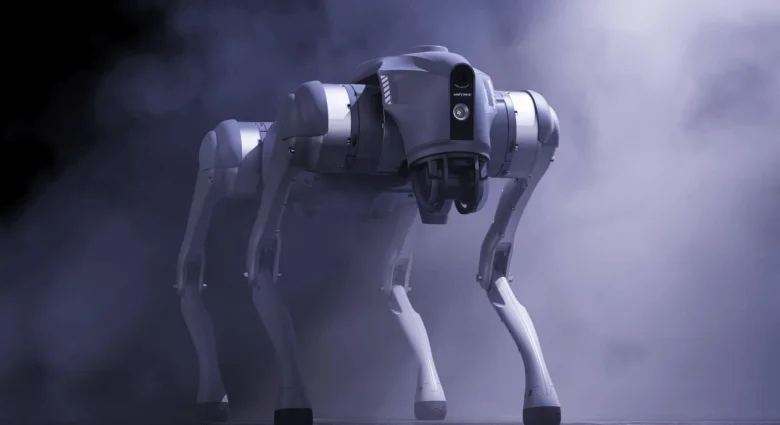
Products like the H1 and G1 have transformed Unitree from a company merely demonstrating robotic capabilities into a recognized provider of commercially viable robotics. This is a significant evolution, moving the focus from mere movement and flexibility to reliability, consistent sales, and generating sustainable revenue streams. This shift in product focus is not just routine; it highlights the changing consumer expectations for performance and reliability in robotic applications.
By 2025, Unitree anticipates revenues of RMB 1.699 billion ($250 million) and a net profit of RMB 278 million ($41.31 million). This financial viability is particularly striking in a sector where many humanoid robot companies still struggle to turn a profit. As investors scrutinize potential IPO candidates, indications of profitability can set a company apart, particularly in technology sectors that have historically burned cash with long development cycles.
The State of Humanoid Robotics
The timing of Unitree's IPO is significant, reflecting an industry in rapid evolution. As of 2026, the focus is shifting toward the practical application of robots, not merely their construction. Automakers and AI firms are increasingly invested in mass production and operational deployment, with stakeholders emphasizing product capabilities and effective cost management over flashy concepts. This shift in priorities underscores a larger industry trend where practical functionalities are now driving business decisions more than ever.

Yet, going public isn't a guarantee of future success for Unitree. The company's next hurdles extend beyond merely increasing sales; they’re also about enhancing the intelligence of these machines. If you’re working in this space, you know that it takes more than hardware to advance in robotics today. A focus solely on mechanical prowess won’t cut it anymore. Businesses are now looking for robots that can interpret their environments, make informed decisions, and tackle tasks beyond their initial programming.
The Future Outlook: A Major Transformation Ahead
This evolving competition is shifting focus sharply from mechanical features to cognitive enhancements. Companies that can adopt AI effectively will have a decisive edge. In response to these challenges, Unitree is likely to boost investments in areas like embodied AI and intelligent models. The competitive landscape is not static; it's dynamic, and companies need to adapt quickly. While their IPO marks a significant milestone achieved from humble beginnings, the next phase will demand a strong shift toward AI capabilities. Testing the company's resolve, this shifting landscape will be an acid test for Unitree’s commitment to maintaining its competitive edge.
Ultimately, navigating the AI-driven future of robotics is likely to be more consequential than simply being the first humanoid robot company to go public in China. The stakes are high, and success will require both vision and execution.