AI Tools Exploit Vulnerabilities in South Korean Financial Institutions
The activities attributed to TAG-217, a threat actor involved in recent cyberattacks on South Korean financial institutions, reveal a troubling evolution in attack methodologies. Research from Recorded Future's Insikt Group indicates that as early as August 2026, this group was experimenting with infrastructure and developing attack tools prior to the public disclosure of the banking breaches. These incidents have compromised the personal data of approximately 68,000 individuals across at least seven financial entities. The timing and nature of these attacks suggest a level of premeditation and sophistication that raises alarm bells in the cybersecurity community.
AI Penetration Testing Framework Insights
Insikt Group's examination sheds light on the capabilities of TAG-217, detailing tools designed for stealing cryptocurrency wallet files, accessing Linux systems, and probing for vulnerabilities in mobile devices. The investigative efforts reveal a two-fold narrative: while AI-assisted attacks can boost reach and effectiveness, they also highlight an alarming trend where attackers still make fundamental mistakes that can lead to detection. This paradox makes you question how prepared we truly are to counteract these threats. The documented operational security lapses that defenders have capitalized on present crucial openings in thwarting these operations before they escalate further.
It's not just about the technology attackers wield; it's about the human element—or lack thereof. TAG-217's arsenal demonstrates how easily powerful tools can be misused, reflecting the ongoing race between offense and defense in cybersecurity. If you're working in this space, you'd do well to consider how these same tools can unduly influence your own security strategies, potentially leading you to overlook basic missteps from attackers. The challenge lies in evolving our security measures to anticipate these new methodologies.
Details of the Multi-Stage Attack
On October 6, 2026, the Financial Services Commission of South Korea made public that various financial institutions had sustained cyberattacks, resulting in unauthorized access to sensitive data. The subsequent fallout included the exposure of an outsourced developer's personal information alongside widespread theft of customer data—a striking indictment of the vulnerabilities present within today's financial network setups. Reports suggest these attacks were conducted using ARTEX, an open-source AI penetration testing tool available in Chinese, enabling a more efficient identification of vulnerabilities across diverse systems.
This focus on open-source tools like ARTEX illustrates a significant trend: threat actors are increasingly opting for accessible technologies that enable them to scale their operations. The lineup of AI tools such as Claude Code, DeepSeek, Grok, and Zhipu AI indicates a strategic collaboration within TAG-217’s framework. With these technologies, the group can identify weaknesses at a scale that human operators typically can't match, creating a stark advantage in their operations.
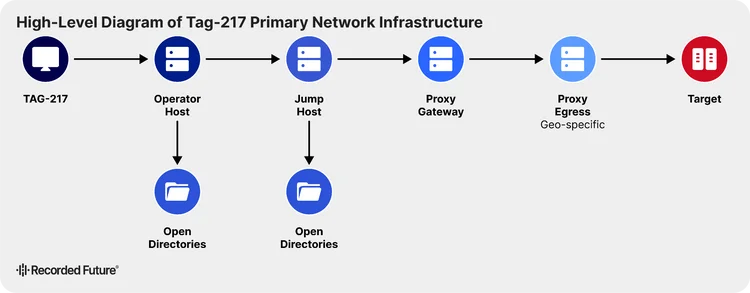
Moreover, infrastructure indicators such as a primary server running ARTEX and the use of residential proxies suggest a carefully crafted approach to masking the origin of these activities. And here’s the part most people overlook: while technology advances create new opportunities for attackers, they simultaneously lay the groundwork for potential countermeasures. Understanding these elements can provide defenders with actionable intelligence to thwart similar future assaults.
Operational Trends and Challenges
Understanding the distinction between agentic and human-operated attacks is critical, especially when skilled threat actors employ AI to boost their operational capabilities. TAG-217 exemplifies how attackers are utilizing the same foundational tactics as human operators, albeit with greater speed and breadth. The operational missteps caught by Recorded Future underscore a pattern: the deployment of AI tools in intrusion attempts and the revealing of earlier preparatory actions paint a grim picture of a threat that is evolving rapidly.
This development is indicative of a critical shift in cyber warfare dynamics. With automated tools in play, the threshold for launching an attack is lower than ever. What does this mean for businesses? It signifies the imperative need for ongoing assessments of cybersecurity protocols, ensuring that they can adapt to the tools and tactics attackers might deploy. Businesses must not only focus on technological advancements but also on training their personnel to recognize and counteract sophisticated methods.
Future Implications and Outlook
As TAG-217 and similar groups continue to evolve, the implications for cybersecurity are profound. Increased reliance on AI tools not only amplifies the potential for large-scale breaches but also creates a more complex battleground where attackers can operate with relative anonymity. This trend is not unique to South Korea; it's part of a broader pattern affecting financial institutions globally.
So, what does that mean for the industry? Organizations must reassess their cybersecurity postures. Static defenses won’t cut it; they need agile, responsive strategies that can adapt to the rapid advancements in AI-assisted threats. Collaboration among cybersecurity firms, financial institutions, and governments will be vital. They’ll need to share threat intelligence and best practices to bolster defenses cohesively.
As we look ahead, the growing sophistication of cyber threats demands an equally sophisticated response. For businesses to navigate this treacherous environment, a proactive approach to cybersecurity—embracing not just technology but also cultivating a culture of vigilance and preparedness—is essential. Ignoring the warning signs isn't an option. The time to act is now.


