South Korea Positions Itself as a Hub for Global Startups Through Strategic Innovations
Showcasing South Korea’s Startup Ecosystem
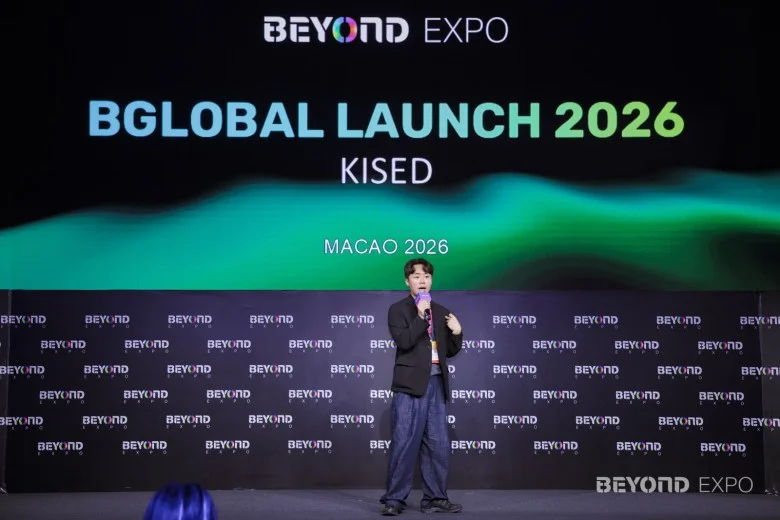
During BEYOND Expo 2026, the Korea Institute of Startup & Entrepreneurship Development (KISED) highlighted South Korea’s vibrant startup scene. The presentation showcased an array of government-backed initiatives designed to attract global entrepreneurs and investors. This effort positions the nation not just as an appealing market, but as a vital entry point for startups aspiring to establish a foothold in Asia, a region known for its complex but rewarding business dynamics.
Shift in Entrepreneurial Focus
A representative from KISED pointed out a significant transformation in South Korea’s business landscape. There’s been a marked shift from the traditional focus on product-oriented companies to fostering an ecosystem that nurtures innovative ideas and entrepreneurial spirit. South Korea isn't simply a promising market; it serves as a strategic bridge for global startups aiming to penetrate the expansive and diverse Asian markets.
This changing narrative is an essential element for those evaluating opportunities in Asia. Traditionally, many entrepreneurs perceived the region as overwhelmingly dominated by a few, larger players. In contrast, today's atmosphere champions smaller, agile startups capable of carving out specialized niches, supported by a collaborative ecosystem that encourages creativity and risk-taking.
Innovation as a Competitive Advantage
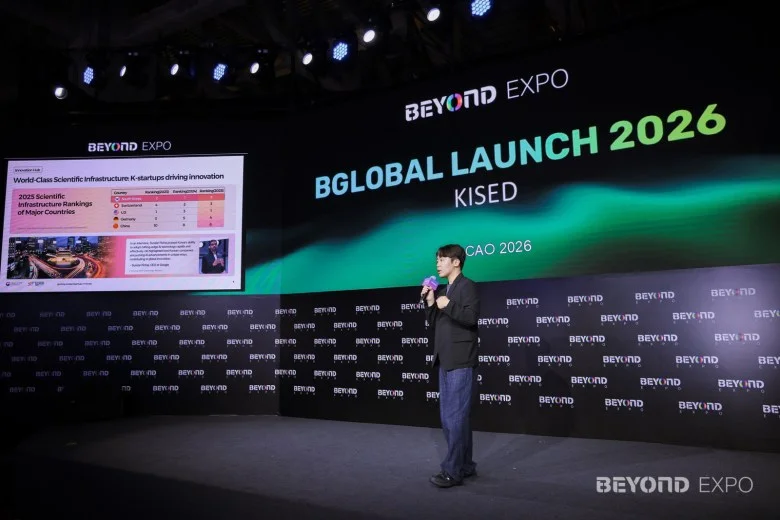
The representative underscored South Korea's competitive edge in innovation. Key advantages include state-of-the-art digital infrastructure, sophisticated electronic payment systems, and a consistent increase in R&D investments. Such strengths have solidified the nation’s status in global innovation rankings, making it a prime destination for startups aiming for growth and scalability. On top of this, a tech-savvy consumer base quickly adopts new technologies, providing a fertile ground for fledgling businesses.
This focus on innovation isn't mere fluff. It reflects a concerted effort to transition from a traditional, conglomerate-based economy to one where technology and agility define success. South Korean startups are not only essential in driving economic growth; they are also pivotal in attracting global talent and investment.
Support from Established Corporations
South Korea’s startup ecosystem has undergone a notable overhaul over the past two decades. In response to the Asian financial crisis, there was a deliberate strategy shift towards cultivating a diversified, innovation-driven economy, reducing dependence on major conglomerates. Today, tech startups are at the forefront of economic performance, acting as vital players in the broader business environment.
Corporations like Samsung, SK Hynix, and Hyundai aren't just industry giants; they serve as key players in fostering innovation within the ecosystem. These companies actively collaborate with smaller startups, paving the way for new business opportunities. Open innovation initiatives led by these corporations provide startups with access to resources, mentorship, and networks that would otherwise be challenging to attain.
KISED’s Role in Startup Support
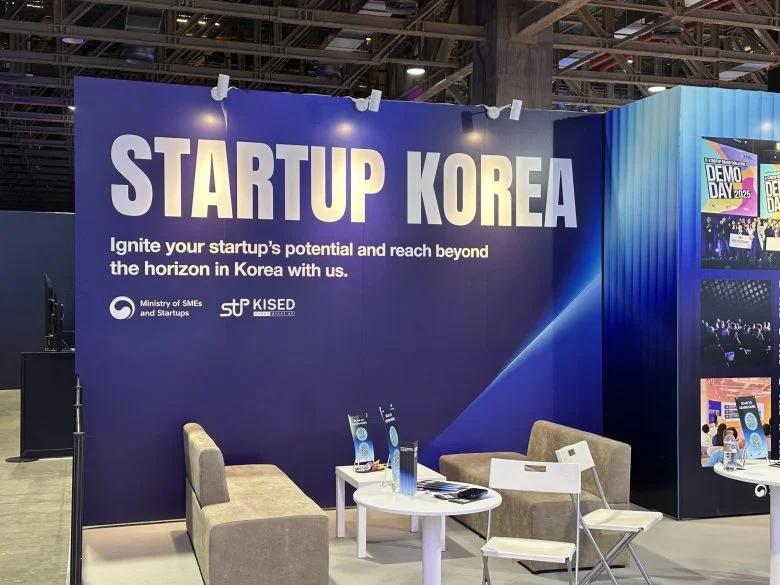
As a key agency under the Ministry of SMEs and Startups, KISED stands as a national resource for supporting startups, managing a hefty annual budget of around $1 billion. This organization has backed over 8,000 startups, not just through funding, but by facilitating a spectrum of resources including entrepreneurship education, incubation spaces, investment matchmaking, and assistance with global expansion efforts.
For those interested in international collaboration, KISED has developed specialized programs geared toward overseas entrepreneurs. One standout initiative is the K-Startup Grand Challenge, which attracts over 2,000 applications from international startups every year, with just about 80 selected for participation. The chosen startups engage in a rigorous three-month acceleration program that offers support for commercialization and invaluable pitching opportunities with investors.
If you’re working in this space, these kinds of programs are more significant than they look. They streamline the path to market entry while providing the support necessary to navigate a foreign business environment. Applications for the 2026 challenge are currently open—an opportunity not to be missed.
Funding and Visa Support
For startups that exhibit high potential, KISED has developed commercialization support initiatives, providing funding of up to $50,000. This financial backing is crafted to assist companies in setting up operations and expanding their reach within Korea. Such funding is not just a lifeline; it can often be the catalyst for failures to successes, meaning an idea can get the resources it needs to flourish.
Moreover, the Korean government has recently introduced the Startup Korea Special Visa designed to attract global entrepreneurial talent. This visa streamlines the approval process for startups based on their innovation and market compatibility, allowing qualified applicants to secure approval in an impressive timeframe of about one month. And this is the part most people overlook—making it easier for foreign talent to integrate into the market is beneficial not just for those startups, but for the overall economy.
Future Outlook: What’s Next for South Korea?
KISED wrapped up its presentation by encouraging attending entrepreneurs to see South Korea as a strategic entry point into the Asian market. The organization remains steadfast in its mission to enhance support frameworks and expand international collaboration networks. This commitment is vital in a world where global competition is increasingly fierce.
The pursuit of a more competitive, innovative environment is ongoing. In a continent filled with diverse opportunities and challenges, South Korea aims to solidify its role as a hub for tech innovation and entrepreneurship. As the landscape continues to shift, it will be intriguing to see how these developments play out and what new opportunities emerge in this dynamic marketplace.