Mastering Threat Intelligence: Key Factors Behind Recorded Future's Forrester Wave Leadership
Recorded Future: Acknowledged Leader in Threat Intelligence
Recorded Future's recent designation as a Leader in The Forrester Wave™: External Threat Intelligence Service Providers solidifies its reputation in a market that is growing more competitive by the minute. This accolade isn't just a stamp of approval; it's the culmination of years of careful work fine-tuning threat intelligence capabilities. These enhancements often go unnoticed by the wider public, hidden behind the scenes in product demonstrations and customer feedback loops that shape the future of cybersecurity. A company’s success in this arena doesn't just hinge on hype; it’s grounded in tangible measures of effectiveness and the quality of its offerings. Recognition from a respected analyst firm like Forrester can substantially influence future sales and partnerships.
Priority Intelligence Requirements (PIRs)
One standout feature in Recorded Future's offerings is its emphasis on Priority Intelligence Requirements (PIRs). This concept is essential for organizations looking to shape their data collection strategies effectively and drive informed decision-making. It's not enough to collect data; businesses need to know what data is relevant to their unique risk profiles and operational objectives. Forrester's evaluation awarded Recorded Future the highest score in this category, underscoring its exceptional ability to translate PIRs into actionable insights. This aspect is critical because organizations often struggle to prioritize intelligence needs effectively. The Recorded Future Platform integrates prebuilt PIRs and allows teams to create and manage custom ones through the Impact and Metrics Dashboard. This tool provides security teams with the metrics required to measure their program's effectiveness against business-critical questions, an area where many competitors fall short.
Comprehensive Intelligence Collection
Effective intelligence collection stands at the core of any security team’s strategy, particularly when striving to stay ahead of evolving threats. Recorded Future's multi-faceted approach, combining insights from various data sources, enables teams to develop a holistic view of the threat environment. This breadth of information is essential, especially as organizations face increasingly sophisticated attack methods.
- Technical Intelligence: This involves analyzing billions of daily data points from a diverse array of sources like network traffic and vulnerability tracking. The ability to sift through these massive amounts of data is what separates standard security services from those that provide real, actionable intelligence.
- Underground Intelligence: By collecting data from criminal platforms, Recorded Future exposes stolen data, uncovers emerging attack strategies, and reveals the motivations behind ransomware attacks. Understanding these factors can lead to proactive defenses, rather than reactive measures.
- Community Intelligence: This aggregates threat detections across users which helps highlight patterns that single organizations might overlook. The collective knowledge represented here offers insights that can bolster the security posture of all users involved.
- Open-source Intelligence: Broadening the scope further, this includes data from code repositories and social media monitoring, which aids in identifying brand abuse and data leaks. Open-source intelligence often provides critical context that commercial data sources can miss.
Diverse Range of Cybersecurity Disciplines
Recorded Future's high scores across numerous Forrester Wave evaluation criteria, including brand protection and third-party risk management, emphasize its diverse threat intelligence capabilities. What's more, their solutions transcend mere data collection; they encompass threat hunting, vulnerability intelligence, and extensive risk evaluations. This isn’t simply an add-on to their offering; it underscores a deep and genuine commitment to protecting organizations across their entire attack surface. Given that many businesses are still grappling with basic cybersecurity fundamentals, the depth and volume of Recorded Future’s offerings set a high bar. Here’s the thing: it reflects a realization that cybersecurity is multidimensional, requiring expertise across various domains to combat a plethora of threats.
Implications for the Cybersecurity Industry
This recognition isn't just a one-off win for Recorded Future; it serves to elevate the standards in the threat intelligence sector as a whole. As more organizations prioritize cybersecurity, those players that fall short in their capabilities will likely face pressure to catch up. For industry veterans and newcomers alike, Recorded Future's approach offers a roadmap for building effective intelligence strategies. If you're working in this space, you need to take note of how such a comprehensive offering not only provides immediate value but also positions a company as a thought leader.
The implications of Recorded Future's success also extend to the way organizations conceptualize and structure their cybersecurity efforts. The current trend emphasizes an integrated approach to threat intelligence that combines data points with business objectives to bolster overall defense mechanisms. This shift could shape how future cybersecurity training and certification programs are developed, focusing on navigating complex data ecosystems. Most importantly, organizations must understand that the threat landscape is only becoming more intricate. Being reactive isn't enough; proactive engagement through superior intelligence practices is where the future lies.
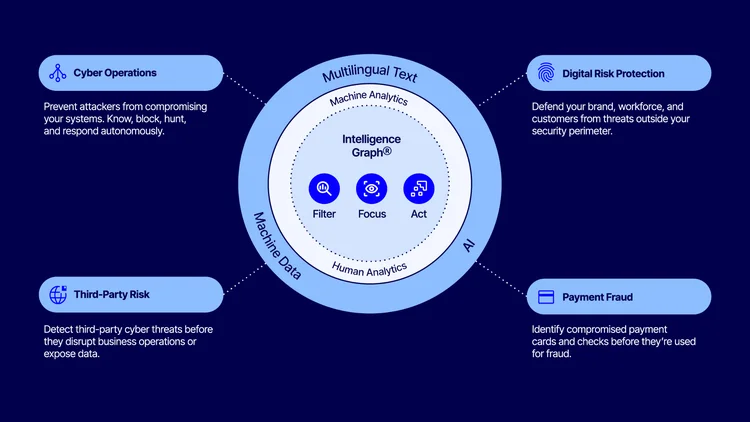
Figure 1: Unified threat intelligence visibility across the critical attack surfaces