Building a 3D Persona: The Digital Transformation of Stefanos Tsitsipas
Creating a digital identity for a well-known figure like Stefanos Tsitsipas involves much more than just technical skills. It requires a deep understanding of his personal brand, combining the nuances of his athletic achievements with his public persona. The objective was to develop an interactive experience that fans could connect with, showcasing both the elite athlete and the individual beyond the sport.
Understanding the Athlete
Stefanos Tsitsipas has emerged as a major name in tennis, not just through his on-court performances but also as a prominent figure in various global brand campaigns. This dual visibility is what guided the project design. The aim was to authentically portray the different aspects of his life — the competitor on the court and the engaging personality off it.
The Production Process
The 3D workflow began with an emphasis on visual fidelity, utilizing advanced software tools including Cinema 4D, Redshift, Blender, and Marvelous Designer for asset creation, animation, and fabric simulation. The production pipeline was extensive and required thorough planning and execution.
Capturing Reality through Photogrammetry
To accurately capture Stefanos, a comprehensive 360-degree photogrammetry scan was conducted in collaboration with a specialized French studio. This intricate process involved deploying approximately 70 cameras, ensuring a meticulous capture of Stefanos in both action-ready and leisure attire.
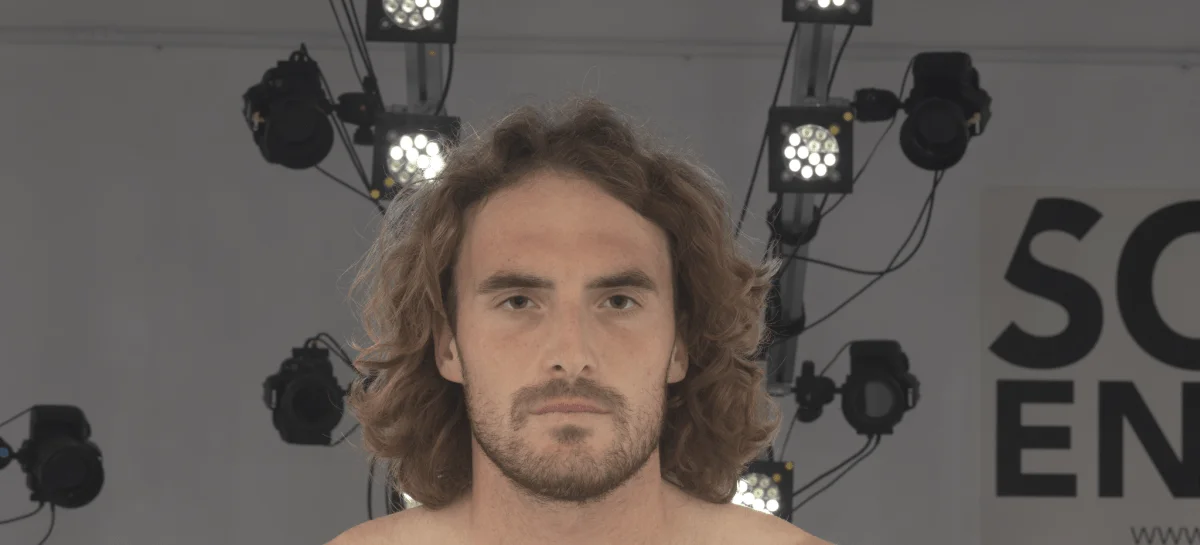
For the scanning sessions, we needed different setups: one featuring his tennis gear and headband for the athletic version, and another capturing a more casual look for the non-athletic presentation. The studio successfully produced multiple variations of Tsitsipas, each featuring three distinct Levels of Detail (LODs) to suit different applications.
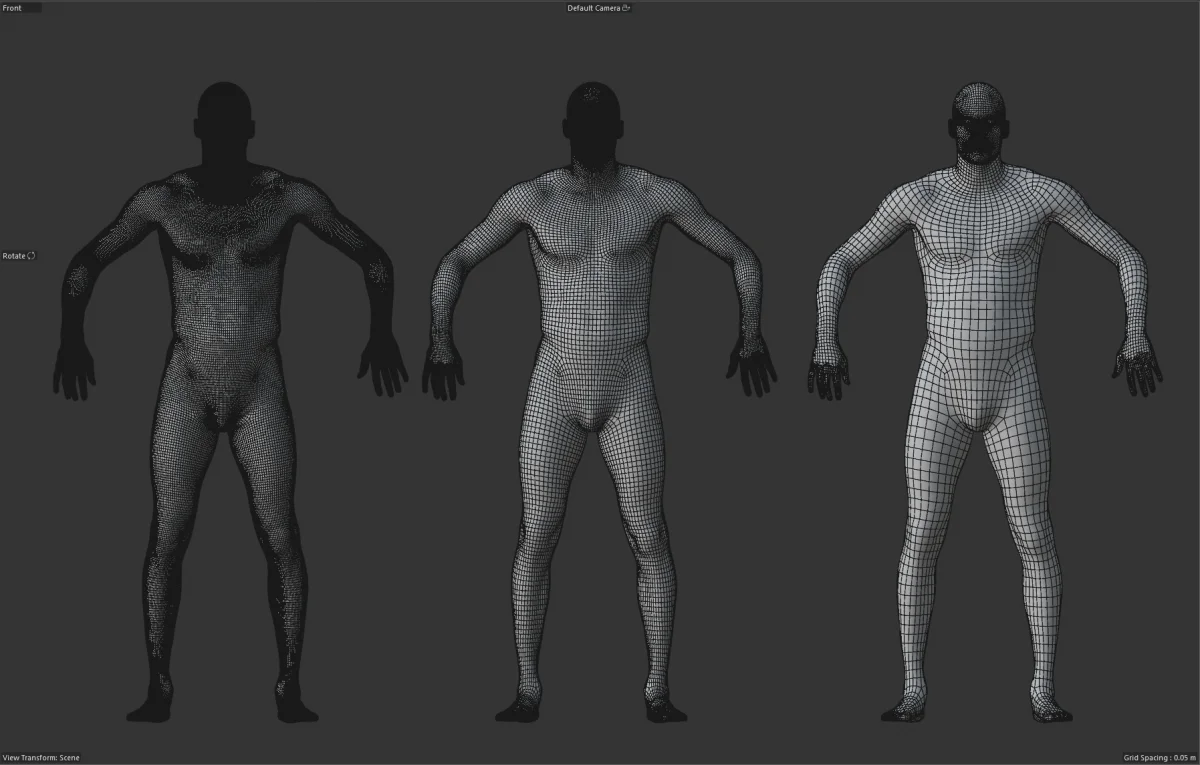
With each body part textured separately, we faced an initial challenge for WebGL optimization. Moving forward, we needed to simplify the model while maintaining its visual integrity, ultimately aiming for an efficient structure suitable for online platforms.
Optimizing Textures and Rigging
Texture Consolidation
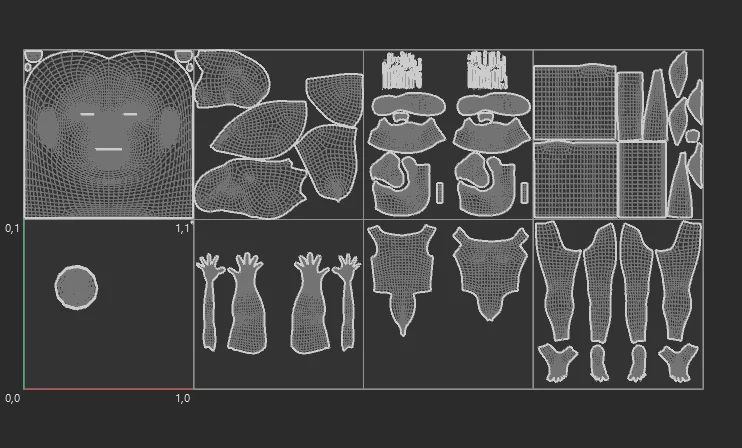
One essential step was to consolidate the numerous textures into an optimized layout, which we achieved through Blender’s texture remapping capabilities. This process not only streamlined the assets but also improved their performance during rendering.
Rigging for Movement
With an optimized texture set in place, the focus shifted to rigging the model for animation. The process revealed some unexpected challenges, including adjustments needed for accurate finger positioning to facilitate animation through Mixamo.
Only the newly rigged T-pose model was downloaded from Mixamo, preserving its structural integrity while preparing it for more intricate animations later in the project.
Animating Character Dynamics
Pose Selection
The imported rigged model was imported into Cinema 4D, where we posed Tsitsipas in a visually engaging stance that combined power and grace. By maintaining consistent poses for both the athletic and casual depictions, we aimed to evoke a sense of coherence across the digital representations.
Cloth Simulation
The initial timeframe for the project was set between five to eight days but ultimately expanded to 14 days due to the complexities involved. To expedite the process, we employed premade outfits from the Marvelous Designer marketplace, which were then fitted to Tsitsipas’ T-pose model.
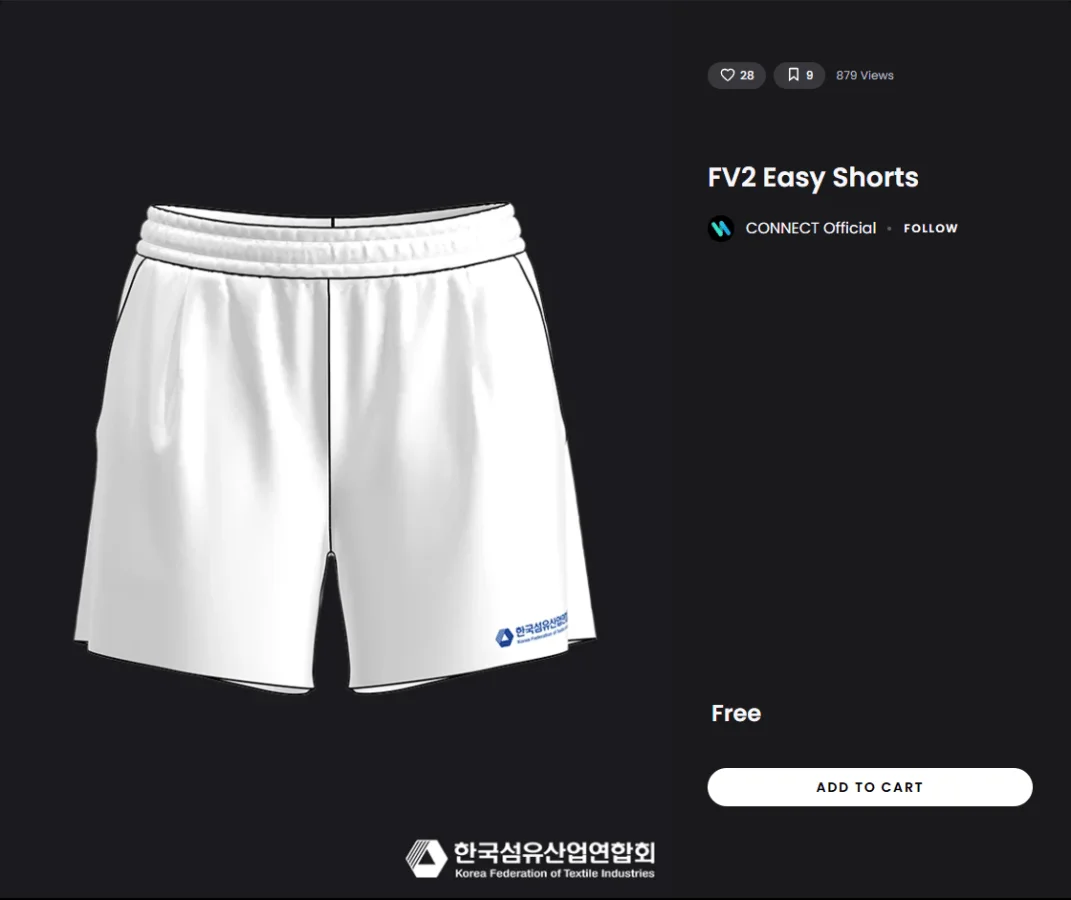
Once the clothing was fitted, we re-exported the complete model for further enhancements, ensuring that Tsitsipas’ presence was dynamic and lifelike, mimicking the energy of a professional athlete.
Final Touches and Animation
Texture and Lighting Optimization
The overall aesthetic of the animated version presented unique challenges, especially regarding the proper execution of textures and lighting. For static displays, shadows were baked, while the animated version employed ambient occlusion maps to derive a sense of realism.
Character Animation
One notable aspect was replicating Stefanos’ distinctive service motion, which required careful frame-by-frame analysis of reference videos. The team's knowledge of tennis proved invaluable in ensuring the accuracy of the final animations.
With a focus on efficiency, the final animated model was optimized by adjusting keyframes, improving responsiveness for real-time applications while preserving visual accuracy.
Conclusion
From the initial scanning through to the final animated and interactive model, this comprehensive approach captures not just the likeness of Stefanos Tsitsipas but also creates a representation that resonates with his fans. The project exemplifies the blend of artistry and technology required to propel a modern athlete's digital transformation.