Creating Mesmerizing Image Ribbons with Three.js: A Deep Dive into "Unwoven"
Unwoven reinvents how we perceive standard image sliders by transforming them into captivating and dynamic sculptures of light and color. Instead of merely moving images around, this experimental project employs the Three.js framework to break down photographs into flowing ribbons that weave and flutter across the screen, creating an experience that is as visually engaging as it is innovative.
Understanding the Concept
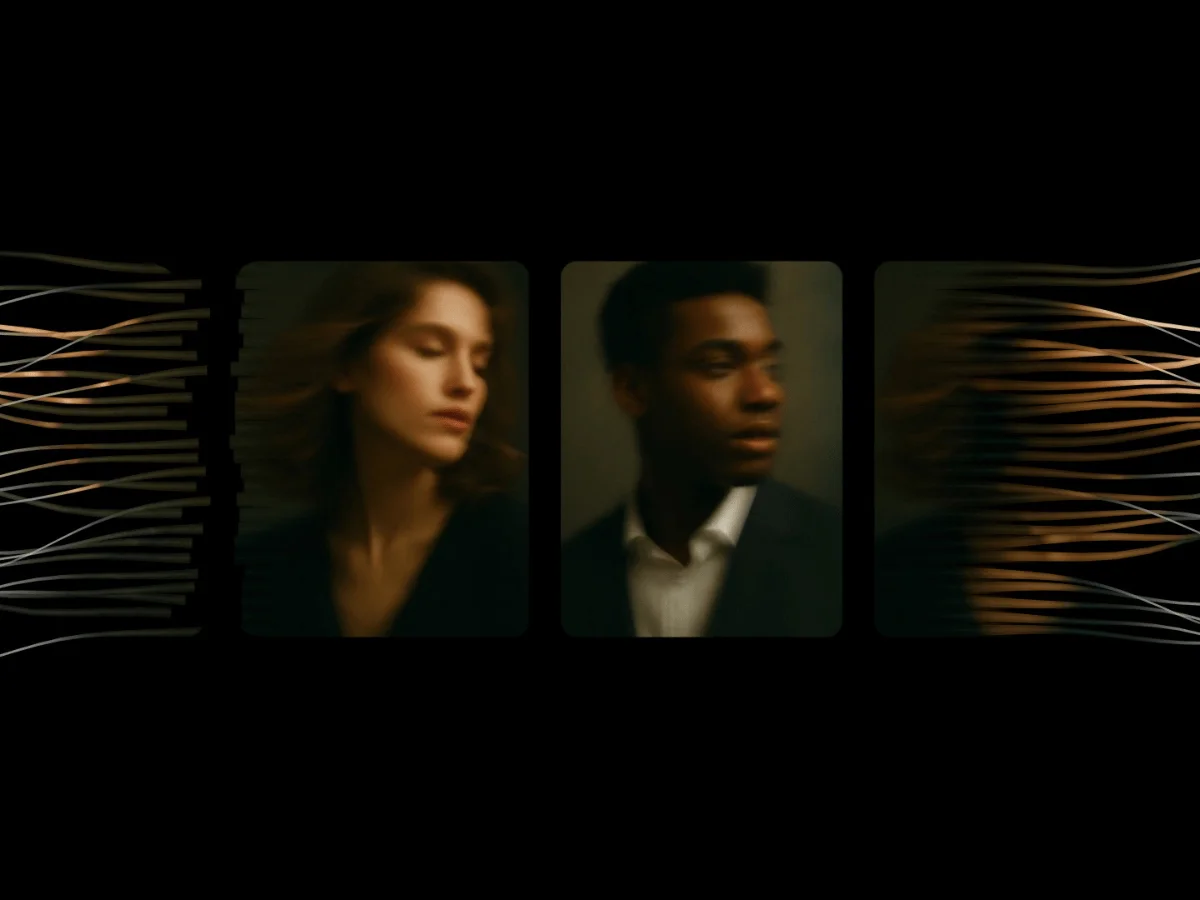
Layering complex visuals, Unwoven features a continuous horizontal strip of images that are segmented into 26 individual ribbons, each representing a distinct slice of the original image. When aligned in the center, these ribbons coalesce into a recognizable photograph. However, as they move toward the edges, the ribbons drift apart with varying speeds, creating a scrolling effect that feels alive—each piece is free to flutter away and dissolve into the white space of the page. This approach challenges conventional image sliders that often feel static. Instead of adhering to traditional left-right motion, Unwoven invites viewers to be part of a vibrant transition, as if stepping into a living, breathing artwork.
The Mechanics Behind the Ribbons
Each of these 26 ribbons acts as an independent geometry, its movements defined by specific random numbers that determine speed and distance. This artfully controlled chaos is at the heart of Unwoven’s unique visual appeal, where the subtlety of each ribbon's motion creates a cohesive yet intricate viewing experience. It’s like orchestrating various dancers, each moving to their own rhythm while maintaining a harmonious overall performance. The result? An engaging spectacle that goes beyond simple image transitions, transforming the interface into a dynamic experience.
Building the Ribbons
The strategy behind this animation diverges from traditional methods of using a single plane with subdivisions. Instead, each ribbon is constructed separately, with unique vertices for its top and bottom edges, preventing the geometric distortions that can arise from shared vertices. This independent construction allows for authentic, fluid motion without compromising the integrity of the visuals. This approach not only enhances the depth of the animations but also provides developers with more versatility in how they can manipulate individual elements. A typical issue in graphical programming is the tendency for shared vertices to create jagged artifacts; this method effectively bypasses that common pitfall.
for (let t = 0; t < 26; t++) {
  for (let row = 0; row < 2; row++) {
    const v = (t + row) / 26;
    for (let c = 0; c <= segments; c++) {
      const u = c / segments;
      position.push((u - 0.5) * width, (v - 0.5) * height, 0);
      uv.push(u, v);
      rim.push(row === 0 ? -1 : 1);
      threadId.push(t);
    }
  }
}
Animating the Effects
The transient behavior of each ribbon is enhanced through calculated movements. A shader variable indicates how far to the edge of the viewport each ribbon is, allowing for complex, staggered animations. The interplay of these animations is essential, as it allows for different ribbons to enter and exit the frame at varying intervals, creating a more organic visual narrative:
float tear = max(
  1.0 - smoothstep(-halfWidth, -halfWidth + zone, x),
  smoothstep(halfWidth - zone, halfWidth, x)
);
This concept of "tear" effectively dictates how the ribbons transition from a tightly-knit assembly to scattered strands of color. By adjusting the parameters, developers can control how flowing or chaotic the ribbon movement appears, impacting the overall aesthetic experience. This ability to manipulate the visual chaos is particularly significant for those in creative fields. If you're working in this space, understanding these visual dynamics could be the key to making your digital projects really stand out.
Cueing the Fade Effects
Though visually separated, the threads initially remain full-height rectangles. To create gaps between them, the shader adjusts their edges using a fragment shader, allowing partial visibility as they drift apart. This detail—with subtlety in the visual output—enhances the overall user experience:
float edge  = abs(rim);
float width = mix(0.8, 0.2, tear);
float alpha = 1.0 - smoothstep(width, width + 0.06, edge);
alpha = mix(1.0, alpha, smoothstep(0.03, 0.30, tear));
Developers looking to customize this project have several parameters at their disposal: changing the number of threads, adjusting how quickly each moves, or even modifying the fading effects can yield significantly different visual results. The cascading effects of these settings allow for a near-infinite horizon of creative expression. And this is the part most people overlook—what might seem like minor tweaks can drastically alter the viewer's experience.
Final Thoughts
Unwoven stands as a testament to the capabilities of the Three.js library, inviting developers to reimagine customary image interactions. It's not just a visual treat; it's an open invitation to explore new dimensions of web experiences through interactive graphics. Whether you're a seasoned developer or an aspiring enthusiast, the principles demonstrated here inspire an ongoing dialogue about the beauty and potential of 3D programming. Moreover, this project underscores a growing trend in digital design: the shift towards immersive, interactive user experiences that challenge traditional engagement norms. As more creators adopt these technologies, we might see a broader transformation in how digital art is conceived and presented.
Implications and Future Outlook
The emergence of projects like Unwoven signifies a pivotal moment in web design. As the digital space becomes more competitive, interactivity is no longer a bonus—it's expected. This shift isn't just technical; it shapes how users interact with digital content. Viewers are more engaged, less passive, and demand richer visual narratives. Developers who embrace these changes will likely find themselves at the forefront of innovation. The question now is: how will you respond? What new techniques might you incorporate in your own work? As tools and frameworks become more accessible, we can expect a proliferation of similar projects that push boundaries. This is just the beginning, after all.